“Think out your plan like a woman of action. Then act out your plan like a woman of thought.” — Carmen Sandiego
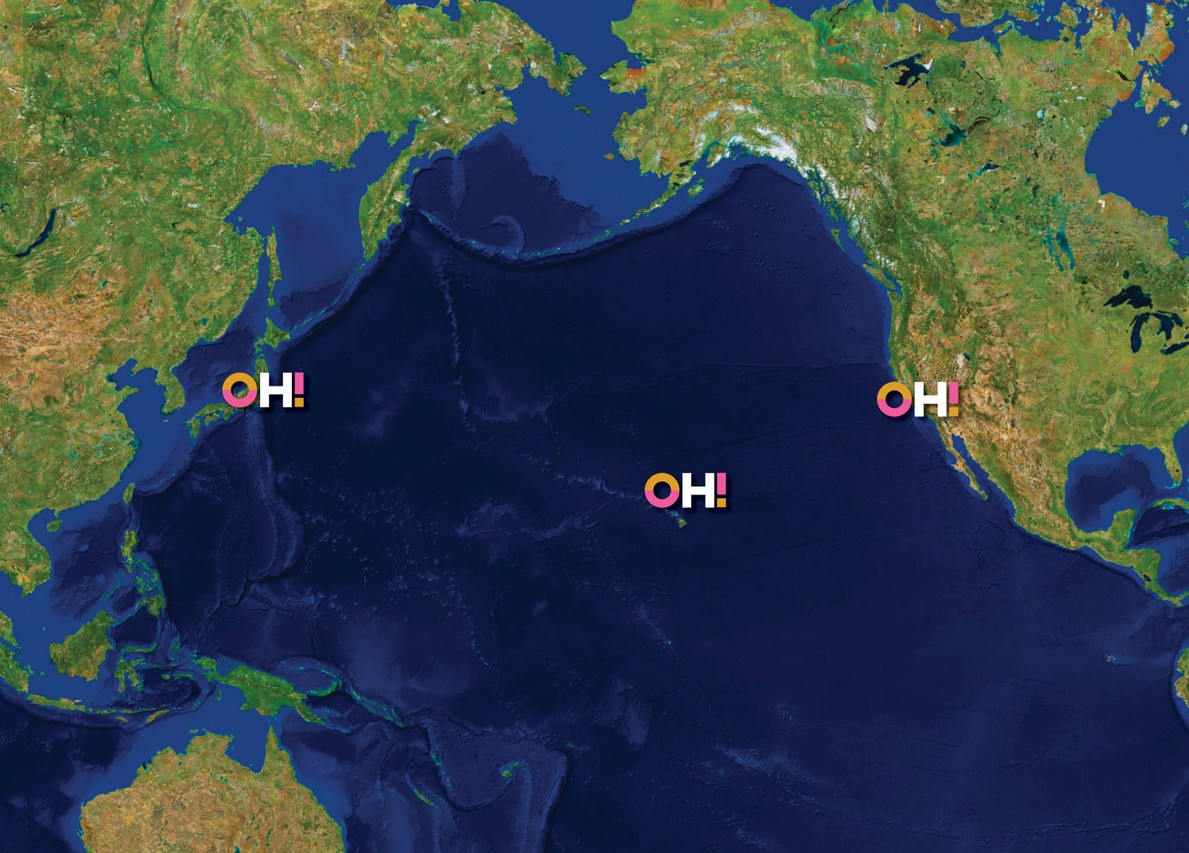
We did some traveling over spring break, and although returning to Jackson is always a welcome moment—and a reminder of how lucky we are to live here—we love getting out in the world to see what Japan, Hawaii, and California have up their sleeve.
Travel is in our DNA and by sharing, we translate trip details into stories you’ll revisit. We’re devoted to art, food, and a little excess (and we hope you are, too!)
Elsa in Japan
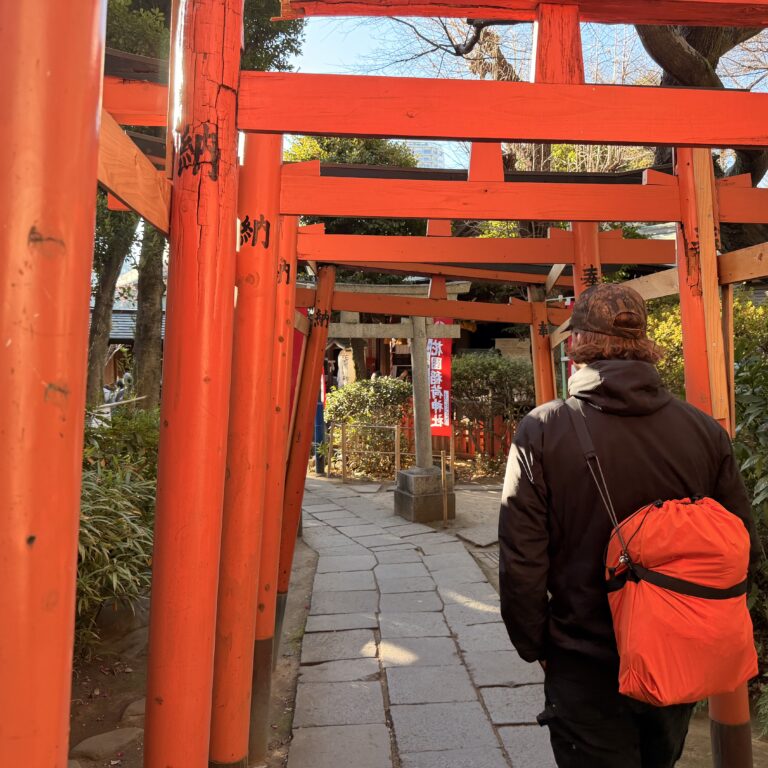
Japow! Packing for Japan in spring felt like packing for three different moods in a single day. Mornings were chilly, afternoons warm, and evenings crisp. Layers were essential.
I lived in my Arc’teryx Atom Hoody, layered with a handmade Hudson Bay vest from Jackson’s Thrift and Shift. Tokyo, while not always considered a denim city, has a historical reverence for selvedge. I skipped buying a new pair and stayed loyal to my Rudy Jude Roper in classic indigo. And because Tokyo is a city of movement and acquisition, a good bag was part of the equation. The Pack Bag drawstring in curium orange held snacks, layers, and a growing number of purchases and mementos.
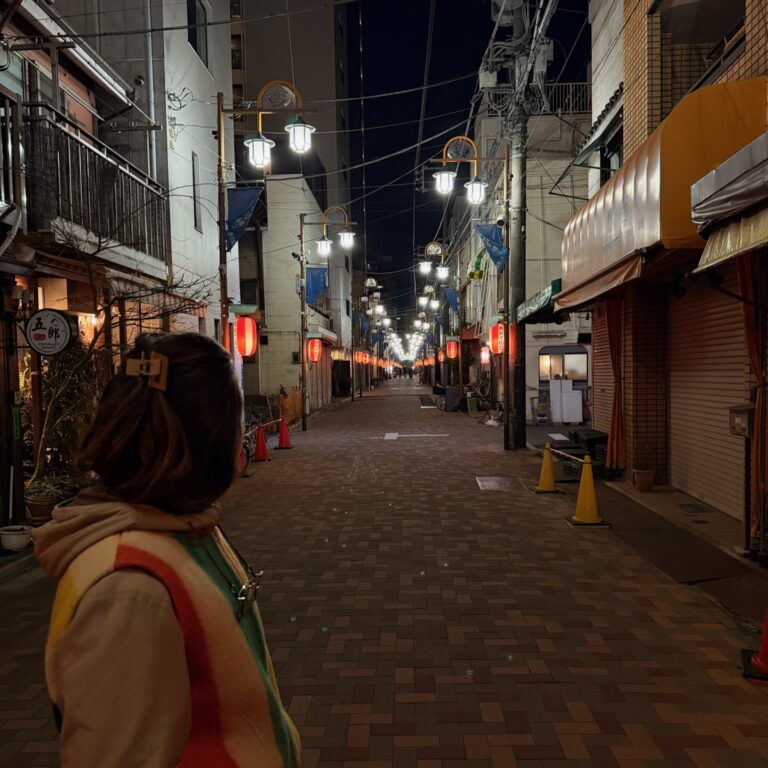
I was warned that Japan might not be “my” food destination. False! We arrived curious and hungry, and followed our instinct over an itinerary. Our most frequent stop: 7-Eleven. Onigiri, Crunky chocolates (that’s not a typo), and egg salad sandwiches. A perfect combination.
Something we were not prepared for: coffee was intentional and somewhat ceremonial. We learned this the first time by missing a train, then gave it the time it deserved.
Our favorite spot was Mia Mia, an Australian transplant-owned spot that felt like a creativity hub. Coffee, art, design, and community. The merch alone was worth lingering over, designed by Ryuto Miyake (whose work can be seen from luxury brands to outdoor gear). It felt like one of those places you accidentally spend two hours in.
From Tokyo, we boarded a bullet train and arrived in an old ski town that shall remain nameless. In an era of geotagging, this location feels nice to keep close to the chest.
Long days were filled with the gift of light, deep snow, and the sweet exhaustion that only glorious days skiing give you.
And then, the onsens. There is nothing, nothing, better than slipping into a hot onsen. These were community-run, open to the public, and synonymous with Japan’s culture.
To Japan, I say, dōmo arigatō gozaimasu!
Jill in Hawaii
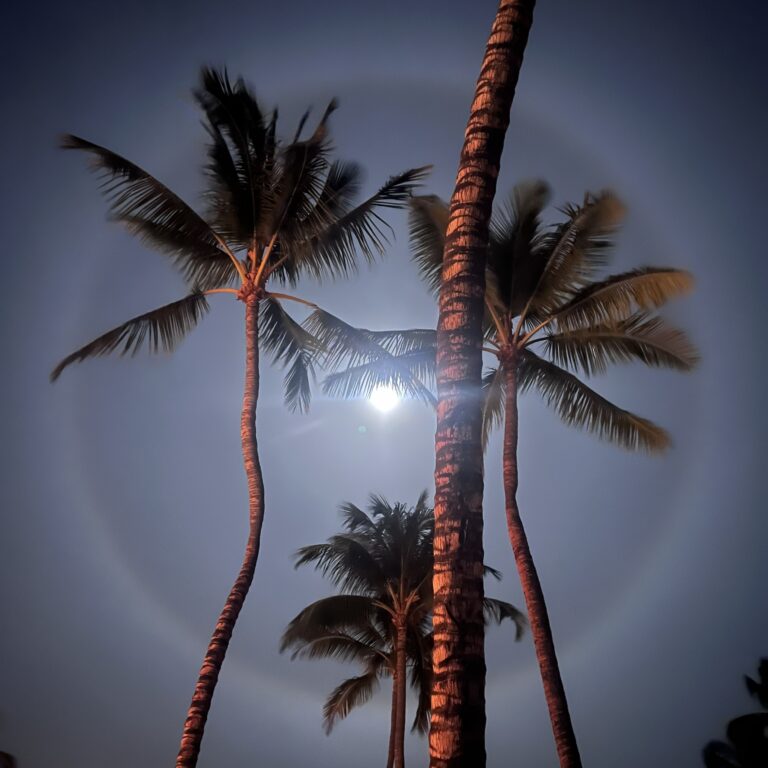
Aloha! Hawai’i Nei is a sacred place, and the Big Island makes that feeling especially visible. Formed in the middle of the Pacific Plate by a volcanic hot spot, the island is young, powerful, and alive with mana, the life force within and around the ‘āina, the land.
For three full days between ocean dips and sunsets we let the island indulge us through food, stop by stop, tasting it through the people and places that connect to its food culture. Fresh fish, local beef, roadside coconuts, and farm-to-table favorites.
Hale I’a Da Fish House offers some of the freshest fish on the island whether by the pound or in numerous flavors of poke. We gorged on their spicy ahi poke bowl! From there, we headed upcountry, stopping along the way for something warm, sweet, and sugar-coated, at Manuela Malasada Co., with its made-to-order, fluffy fried dough malasadas. We had no shame going for seconds! After a swim at Hapuna Beach, we headed to Waimea Butcher Shop for dinner, where ranching history shows up in every cut with sustainably and ethically raised meats. Waimea itself is the center of paniolo culture (i.e., Hawaiian cowboys), and it felt familiar for a reason. At 2,700 feet, with open pasture and views toward Mauna Kea, it shares a natural connection to Jackson: two communities where cowboy culture, land, and place are part of daily identity.
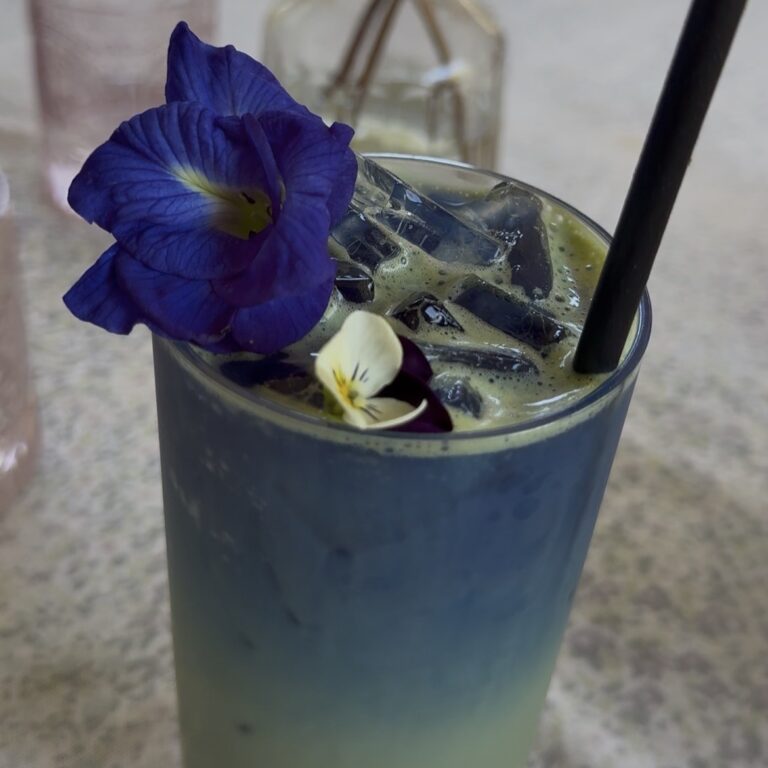
But it’s the road along the Hāmākua Coast the following day that brought us back to the sacred. Waipio Valley, a cultural treasure and black sand beach protected by sheer 2,000-foot cliffs and waterfalls cascading down either side. Currently only accessible by residents and designated guided tours. On our way out we always visit the Waipi’o Fruit Shack with hammocks surrounded by gardens, fresh-cut coconut, house-squeezed cane juice, and fruit straight from the source. Delicious! Afterwards, we headed to The Hive cafe, near Akaka Falls, where their menu is as colorful as Hawai’i itself. with herbs and edible flowers that come directly from the garden out back.
On Saturday, we strolled the Kamuela Farmers Market, where local vendors, produce, music, and the Paniolo Heritage Center were just steps away. And we couldn’t leave without a jar–or a case–of Steve’s Akaka Falls Farm jams and preserves. The passion fruit butter is what dreams are made of. We ended our day at Merriman’s Waimea, a farm-to-table pioneer where everything connects back to the island.
As always, in the background, Kilauea’s energy coursing through the island. Known as the world’s most active volcano and home to Pele, the Hawaiian goddess of volcanos, fire, wind, and lightning. Creator and destroyer, present at its core with steam, lava, and strands of volcanic glass known as Pele’s hair floating through the air, she insists we understand that the island is alive with her mana!
Hawai’i is beautiful, spiritual, and everyone’s kuleana—responsibility—to cherish and respect. It fed us, and showered us with its aloha, but it’s the awareness of its history and culture that makes it magical and memorable.
Aloha nui loa—with much love
Jenny in California
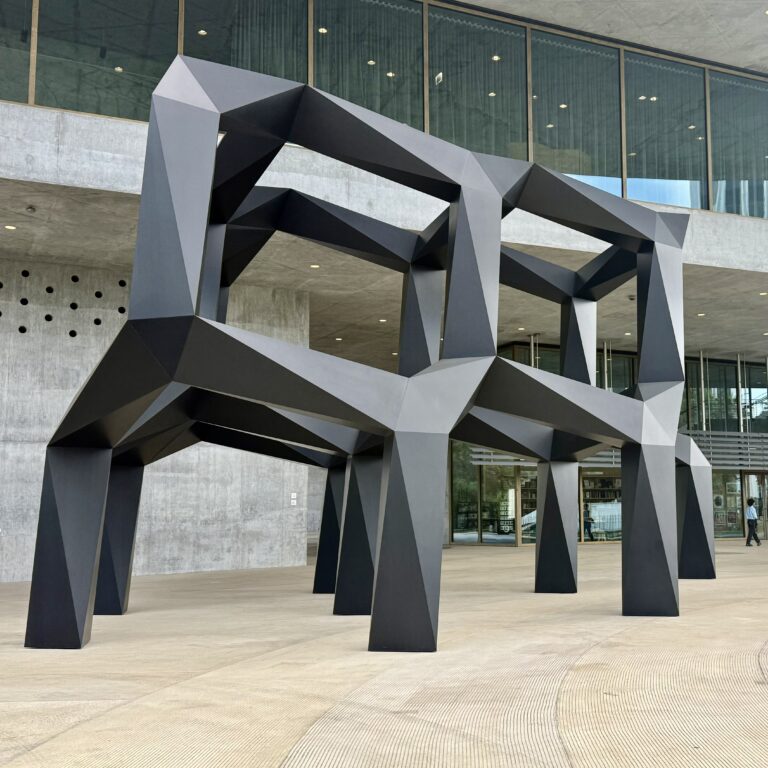
I’ll always say oui to a weekend in Los Angeles. This time it was for a first look at the new David Geffen Galleries at the Los Angeles County Museum of Art (LACMA). The galleries are part of the museum’s major campus transformation, designed by Peter Zumthor.
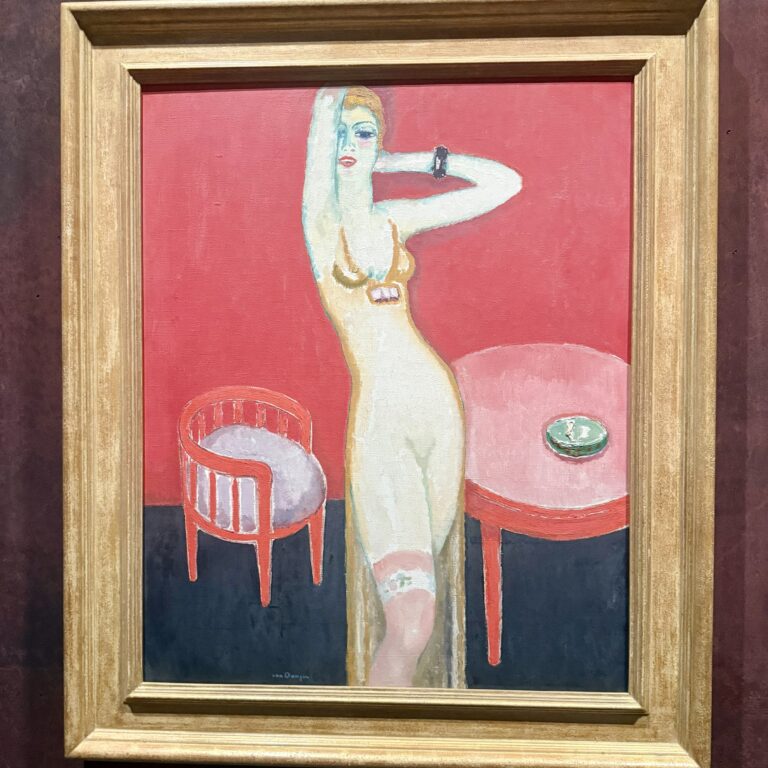
I was invited to a private pre-member, pre-public tour of the A. Jerrold Perenchio collection. In 2014, Perenchio pledged more than $500 million worth of art to LACMA, one of the largest gifts in the institution’s history and in Los Angeles history. Over 40 European masterworks (yes, Picasso, Cezanne, Monet, Manet, Magritte, Degas, and more) hung on concrete-poured, finished walls. Every wall with its own materiality that read as a deep rusty burgundy let each piece speak to its visual authority, and was made more striking with this complementary neutral. The collection, now widely regarded as among the most important art donations to any U.S. museum, was beautifully transformative. I departed with a newfound sense of awe and appreciation for what it took to build a collection of this magnitude, and for being able to view all 47 pieces at once!
After the museum brunch, I spent the late afternoon with my dear friend and Ouest House’s art consultant, Bonny Taylor, who is the Director of the Print Studio and Archive Division at Film Solutions in Burbank. With over two decades of experience, she works closely with photographers, mixed media artists, curators, academics, galleries, foundations, and museums worldwide. She specializes in creating fine art prints of the highest archival quality and is dedicated to helping artists realize their visions in print form, regardless of their training, education, social, or economic backgrounds. Let’s just say we always have plenty to talk about! She shared some of her clients’ new work with me, and I shared my museum visit. She is integral to Ouest House’s visual library, and I always depart from Film Solutions having learned something new.
That evening, I retreated to Raven Spa in Silver Lake, where I reset with a traditional Thai massage.
On Saturday, I spent too much time roaming the shelves at The Iliad Bookshop in North Hollywood. A beloved, labyrinthine used bookstore stacked floor to ceiling with first editions, used paperbacks, photography, art, and architecture books, and literally thousands more titles tucked into cubbies and corners, making it one of the largest and oldest used bookstores in Southern California with an estimated 100,000 books. Heaven! P.S. Another suitcase was purchased for my return.
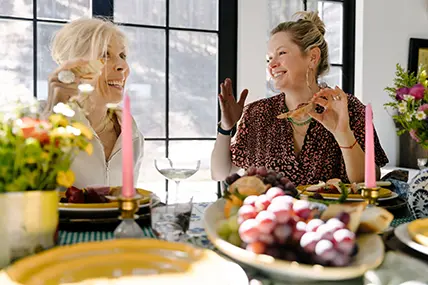
Reading made me hungry, so I met friends for dinner at Simonette inside Palihotel Culver City. This classic French bistro with a twist of Hollywood glamour serves their Parisienne burger—dry-aged beef, caramelized onions, sauce bordelaise with American cheese on a brioche. It dutifully sat next to my crisp, French white, and a heaping double order of frites. In this charming neighborhood gem, I toasted bon appetit to fabulous friends, a lovely breezy night with a scent of the Pacific, and that feeling that art, food, and culture are the trio that defines a city.